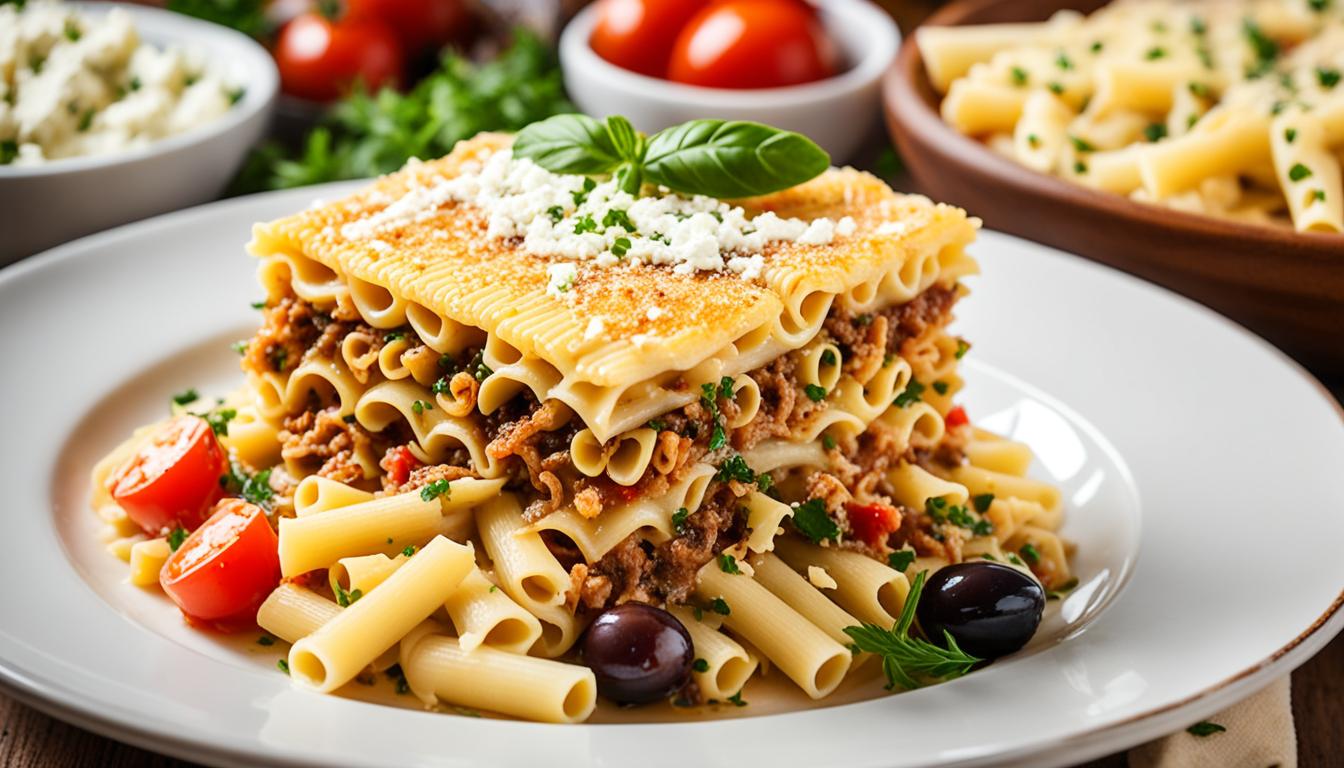
There are few dishes that encapsulate the warmth, history, and culinary soul of Greece quite like Pastitsio. Often affectionately described as the Greek answer to lasagna, or perhaps a comforting culinary embrace between lasagna and moussaka, this glorious baked pasta dish is a staple in homes and tavernas across the country. Its name, derived from the Italian word pasticcio, meaning “mix” or “hodgepodge,” perfectly hints at its delightful complexity. But don't let its intricate layers intimidate you; crafting an authentic Pastitsio Recipe is a deeply rewarding experience that results in a dish both rich and hearty, creamy and comforting.
At its core, Pastitsio is an architectural marvel of flavor, built upon three distinct, separately prepared elements: a robust pasta base, a deeply spiced ground meat sauce, and a velvety, cheese-infused béchamel topping. Each component plays a crucial role, contributing to a harmonious symphony of textures and tastes. While it demands a little extra love and attention in the kitchen, the collective effort culminates in a show-stopping casserole that's perfect for family gatherings, special occasions, or simply an indulgent weeknight treat.
Unveiling the Layers: What Makes an Authentic Pastitsio Unique?
The magic of Pastitsio lies in its carefully constructed layers, each bringing its own character to the final dish. Understanding the nuances of these layers is key to mastering this traditional Greek comfort food.
The Foundation: A Sturdy Pasta Layer
The base of any great Pastitsio is its pasta. Traditionally, Greek households utilize a thick, tubular pasta known as “Pastitsio Pasta No. 2,” which bears a resemblance to bucatini but is notably larger and more robust. This specialized pasta is designed to withstand the baking process and provide structural integrity to the entire casserole, creating those iconic, neat slices.
However, since this specific pasta can be a challenge to find outside of Greece, resourceful home cooks in the U.S. often turn to readily available alternatives. Bucatini is an excellent substitute, offering long, hollow strands that stretch across the dish, effectively supporting the subsequent layers. Its thickness helps it maintain a pleasing al dente texture even after prolonged baking. If bucatini is elusive, other sturdy pasta shapes like penne or ziti can step in, though they may alter the traditional aesthetic slightly. Regardless of your choice, the golden rule for the pasta layer is to slightly undercook it. This prevents it from becoming mushy and overdone in the oven, ensuring a satisfying bite in every forkful and allowing it to absorb the delicious flavors from the sauces above.
The Heart: A Flavorful, Spiced Meat Ragú
The middle layer of Pastitsio is where much of its distinctive Greek character truly shines through. While sharing similarities with a classic Italian red meat sauce, this Pastitsio ragú boasts a unique profile. It begins with the familiar foundation of finely chopped onions and garlic, sautéed until fragrant, followed by ground meat – typically beef, though a blend of beef and lamb is a cherished variation for its added richness and depth. The meat is browned thoroughly, and then enriched with tomato paste and crushed tomatoes, which cook down to create a thick, concentrated base.
What truly sets this sauce apart, however, are its "secret spices": ground cinnamon and cloves. These aromatic additions infuse the ragú with a warm, subtly sweet, and intensely savory flavor that is unmistakably Greek. Unlike a thinner Italian sauce, this Pastitsio meat sauce is purposefully cooked down to a much thicker consistency. This not only concentrates the flavors but also ensures it can sit comfortably atop the pasta layer without soaking through, maintaining the integrity of each distinct strata. A slow simmer allows these spices to meld beautifully, creating a rich, deeply satisfying filling that is the very soul of the dish. For a deeper dive into the fascinating fusion of flavors that define this dish, consider exploring Pastitsio Demystified: The Greek Casserole Like Lasagna Meets Moussaka.
The Crown: Luxuriously Creamy Béchamel
Crowning the Pastitsio is a magnificent, creamy béchamel sauce, often referred to as "the queen" of the dish. This rich white sauce adds a luxurious texture and a golden, irresistible crust. Making a béchamel starts with a roux – equal parts fat (traditionally butter) and flour, stirred together over medium heat until it achieves a pale straw color. During this process, it might foam and bubble slightly, which is a normal sign that moisture is cooking out of the butter, creating the perfect foundation for thickening.
Once the roux is ready, milk is gradually whisked in. The key here is patience and persistence: add the milk slowly, whisking continuously to ensure a smooth, lump-free consistency. The mixture is then gently heated, stirring frequently, until it thickens to a velvety, spoon-coating consistency. For Pastitsio, this béchamel is elevated further. Generous amounts of grated cheese, such as Kefalotyri or Parmesan, are melted in, adding a salty, tangy depth. A grating of fresh nutmeg provides a wonderfully aromatic counterpoint, and a pinch of salt balances the flavors. Finally, for an extra layer of richness and to achieve that iconic golden-brown, custardy topping, two egg yolks are whisked in off the heat. This final touch is what truly transforms the béchamel into an integral, decadent part of the Pastitsio experience.
Assembling Your Masterpiece: Tips for Success
Bringing these three delicious components together is where your Pastitsio truly takes shape. Careful assembly ensures a beautiful presentation and even distribution of flavors.
Layering Like a Pro
The assembly process, while straightforward, benefits from a few key considerations. Begin by lightly greasing your casserole dish to prevent sticking and aid in serving. The first layer is always the pasta, which should be spread evenly across the bottom. Many recipes suggest coating the cooked pasta with a little egg yolk or cheese, and sometimes a touch of butter, which helps bind it together and creates a sturdy base. Press it down gently but firmly to form a compact foundation.
Next comes the luscious meat ragú. Spread this spiced sauce carefully over the pasta layer, ensuring an even coating that extends to the edges. Try not to disturb the pasta too much as you spread. Finally, the creamy béchamel is poured over the meat sauce. Its thick, velvety texture should allow it to blanket the meat evenly. You can gently spread it with a spatula if needed, ensuring every part of the meat is covered. A final sprinkle of grated cheese over the béchamel will guarantee a beautiful golden crust when baked.
The Baking Process
Once assembled, your Pastitsio is ready for the oven. It bakes until the béchamel topping is beautifully golden brown, puffed, and bubbly, indicating that all the layers beneath have heated through and melded together. The aroma that fills your kitchen during this stage is simply divine!
However, the most crucial step often overlooked is the resting time. After removing the Pastitsio from the oven, it's vital to let it rest for at least 15-20 minutes, or even longer, before attempting to cut into it. This resting period allows the layers to set properly, preventing them from crumbling or oozing out when sliced, and ensures you get those perfectly defined, tantalizing portions. Patience truly is a virtue when it comes to enjoying your Pastitsio at its best.
Planning Ahead: Make-Ahead & Storage Solutions
Pastitsio, while an investment of time, can be a convenient meal with a little planning. Its components lend themselves well to make-ahead strategies.
Prepping Components
The beauty of Pastitsio is that some elements can be prepared in advance, streamlining your cooking process. The spiced meat ragú is an ideal candidate for make-ahead prep. You can cook the sauce completely up to a day in advance. Simply allow it to cool entirely before transferring it to an airtight container and refrigerating. The flavors often deepen overnight, making for an even more delicious final dish.
However, when it comes to the pasta and the béchamel layers, it's generally recommended to prepare these on the day you plan to assemble and bake the casserole. This is primarily due to the inclusion of raw eggs in both the pasta (often mixed with egg to bind) and the béchamel. Preparing these components fresh ensures optimal texture and food safety. This approach means you can tackle the most time-consuming part (the meat sauce) when you have a spare moment, leaving only the assembly and baking for a quicker preparation on serving day.
Storing Baked Pastitsio
Once baked and cooled, Pastitsio stores remarkably well. In the refrigerator, covered tightly, it will remain delicious for up to 3 days, making it excellent for leftovers. For longer storage, Pastitsio freezes beautifully. After baking and cooling completely, you can freeze the entire casserole (wrapped securely) for up to 1 month. Our favorite tip, however, is to cut the cooled Pastitsio into individual portions before freezing. This makes thawing and reheating incredibly convenient, providing ready-to-eat, hearty meals for busy weeknights. Simply reheat individual portions in the oven or microwave until warmed through.
Beyond the Basics: Elevating Your Pastitsio
Ingredient Spotlight
While cinnamon and cloves are the undeniable stars of the Pastitsio meat sauce, consider a pinch of allspice or a single bay leaf during the simmering process for an even deeper, more complex aroma. For the cheese in your béchamel and on top, while Parmesan is a great accessible option, seeking out authentic Greek cheeses like Kefalotyri or Graviera will impart a sharper, more distinct flavor profile. These hard, salty cheeses melt beautifully and create an exceptional crust. Don't be afraid to experiment with a blend of cheeses for a more nuanced taste. For the meat, a combination of ground beef and ground lamb (e.g., 50/50 or 70/30 beef to lamb) will introduce a richer, more traditional gamey note that many connoisseurs adore.
Serving Suggestions & Pairings
Pastitsio is a substantial dish on its own, so it pairs best with simple, fresh accompaniments that cut through its richness. A crisp, refreshing Greek salad, dressed lightly with olive oil and red wine vinegar, is the quintessential pairing. A side of crusty bread is also welcome for soaking up any lingering sauces. To complement the flavors, consider pairing your Pastitsio with a medium-bodied red wine, such as an Agiorgitiko from Greece, or a dry rosé. These wines offer the acidity and fruit notes needed to balance the dish's savory depth.
Crafting an authentic Pastitsio Recipe is more than just following steps; it's an immersive experience that connects you to the heart of Greek culinary tradition. From the perfectly tender pasta to the rich, spiced meat ragú and the golden, creamy béchamel, each layer contributes to a whole that is greater than the sum of its parts. This hearty, soul-satisfying casserole is well worth the effort, promising a truly memorable meal that will gather loved ones around the table. So, roll up your sleeves, embrace the process, and prepare to be rewarded with a taste of authentic Greek comfort that you’ll want to make again and again.