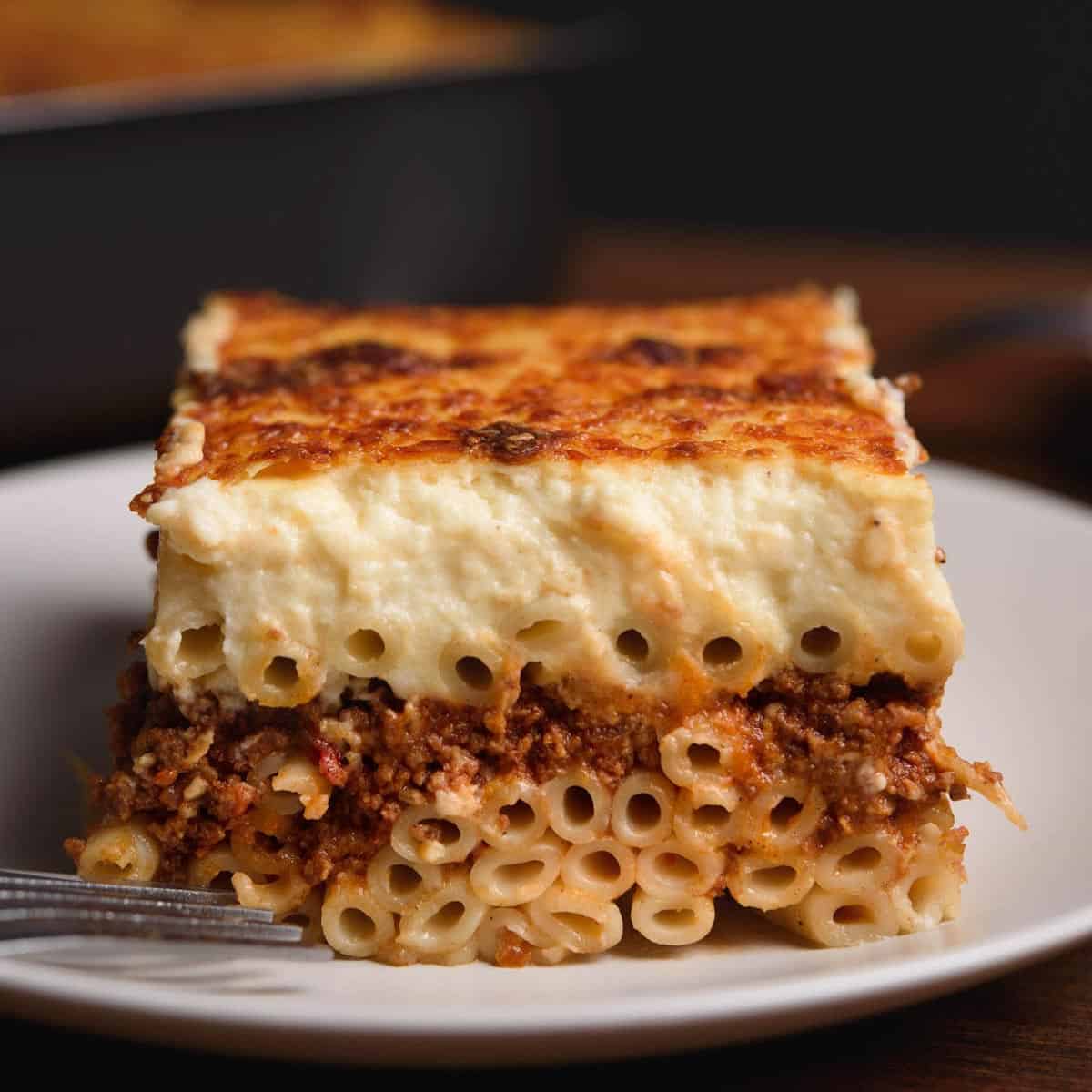
Pastitsio Demystified: The Greek Casserole Like Lasagna Meets Moussaka
Few dishes embody the soulful warmth and rich culinary heritage of Greece quite like Pastitsio. Often hailed as the ultimate Greek comfort food, this magnificent baked pasta dish is a symphony of flavors and textures, elegantly layered to create an unforgettable dining experience. Derived from the Italian word pasticcio, meaning “mix” or “hodgepodge,” Pastitsio is indeed a delicious blend, best described as a delightful cross between the beloved Italian lasagna and the iconic Greek moussaka. If you've ever yearned for a hearty, creamy, and deeply satisfying meal, mastering a classic Pastitsio Recipe is an endeavor well worth your time and effort.
At its heart, Pastitsio is a meticulously crafted casserole, composed of three distinct and equally crucial elements: a robust pasta base, a richly spiced ground meat sauce, and a luxurious, velvety béchamel topping. Each component is prepared separately before being lovingly assembled in layers within a casserole dish, then baked to golden perfection. The result is a dish that is not just a meal, but a celebration – rich, creamy, comforting, and utterly delicious. Let's embark on a culinary journey to demystify this Greek masterpiece.
What Makes a Perfect Pastitsio? Understanding the Core Layers
The magic of Pastitsio lies in the harmony of its three distinct layers. Achieving perfection in each ensures a truly authentic and incredibly satisfying outcome.
The Hearty Pasta Base: The Foundation of Flavor
The pasta layer forms the structural and textural backbone of any authentic Pastitsio Recipe. Traditionally, this Greek casserole calls for a specific type of pasta known as “Pastitsio Pasta No. 2” – a thick, tubular variety akin to bucatini but larger and sturdier. This unique pasta is designed to run the length of the casserole dish, providing vital support and holding the upper layers together during baking and serving.
However, finding this specific pasta outside of Greece can be a challenge. Fear not, home cooks! Excellent substitutes are readily available. Bucatini, with its long, hollow strands, is an ideal alternative, offering a similar structure and mouthfeel. If bucatini proves elusive, penne or ziti can also work wonderfully, though their shorter length means a slightly different texture and less internal support for the taller layers. The key, regardless of your pasta choice, is to slightly undercook it during boiling. Aim for a very firm al dente, as the pasta will continue to cook and absorb flavors in the oven. This crucial step prevents it from becoming overcooked and mushy, maintaining that perfect bite.
Pro Tip: For traditionalists using bucatini or Pastitsio pasta, arrange the pasta strands vertically along the edges of the dish, forming a "wall" before filling the center. This adds an extra layer of structural integrity and creates a beautiful presentation when sliced.
The Flavorful Meat Sauce (Ragú): The Soul of the Dish
The meat sauce in a Pastitsio Recipe is a testament to Greek culinary artistry, taking cues from classic red meat sauces but infusing them with a distinctly Mediterranean character. It begins much like an Italian ragú: a robust foundation of finely chopped onions and garlic sautéed until fragrant, followed by rich ground meat. While ground beef is common, a blend of beef and lamb often lends a deeper, more authentic flavor profile. This mixture is then cooked down with concentrated tomato paste and crushed tomatoes, slowly simmering until it transforms into a thick, deeply savory ragú.
What truly sets this sauce apart, however, are its signature spices: ground cinnamon and cloves. These warm, aromatic spices are not just subtle accents; they are dominant players, imparting an unparalleled depth and a uniquely Greek essence that differentiates Pastitsio from its Italian counterparts. Unlike thinner Italian sauces, the Pastitsio meat sauce is purposefully much thicker. This is vital for its role in the casserole – it needs to sit comfortably on top of the pasta layer without soaking through, ensuring each layer maintains its distinct integrity. For a truly authentic taste and to learn more about these unique spice blends, you might want to explore an Authentic Pastitsio Recipe: Secret Spices & Creamy Béchamel Layers.
Pro Tip: Ensure you thoroughly brown your ground meat before adding liquids. This develops rich, caramelized flavors (Maillard reaction) that are essential for a truly delicious sauce. Don't rush the simmering process; allow the sauce to reduce and thicken naturally, concentrating its flavors.
The Velvety Béchamel Topping: The Crown Jewel
Crowning the Pastitsio is a luscious, creamy white sauce known as béchamel. This classic French mother sauce, adopted and perfected in Greek cuisine, adds an unparalleled richness and a silky texture that binds the entire dish together. A béchamel is fundamentally simple: it's made from a roux (equal parts fat and flour) and milk.
To prepare it, you'll melt butter or another fat (like olive oil for a subtle Greek touch) in a saucepan, then whisk in an equal amount of flour. Cook this roux over medium heat, stirring constantly, until it transforms into a pale straw color. It may foam and bubble slightly, indicating the moisture is cooking out of the butter – this is normal. Once the roux reaches the desired color, slowly whisk in the milk, a little at a time, ensuring it's evenly blended and lump-free. Gradually increase the temperature and continue to cook, stirring constantly, until the béchamel thickens to a velvety consistency that coats the back of a spoon. Finally, for a traditional Greek finish, cheese (often grated Kefalotyri or Parmesan), a pinch of freshly grated nutmeg, and salt are stirred in. To achieve the extraordinary richness characteristic of Pastitsio, many recipes, including ours, incorporate 2 egg yolks whisked into the warm (but not boiling) béchamel, enhancing its creamy texture and golden hue.
Pro Tip: To prevent lumps, ensure your milk is at room temperature or slightly warm before adding it to the hot roux. Whisk vigorously and continuously. If you do get lumps, a quick pass through a fine-mesh sieve can save your béchamel. When adding egg yolks, temper them by whisking a small amount of hot béchamel into the yolks first, then slowly incorporating the yolk mixture back into the main béchamel – this prevents them from scrambling.
Mastering Your Pastitsio Recipe: Tips for Success
Bringing all these delicious components together requires a little care, but the payoff is immense. Here are some insights to elevate your Pastitsio game:
- Ingredient Quality Matters: While the process is robust, starting with fresh, high-quality ingredients – from good ground meat to fresh spices and quality dairy – will always yield a superior flavor.
- Layering with Purpose: When assembling, spread each layer evenly. Some recipes suggest pressing the pasta layer gently to form a more compact base. Don't be shy about ensuring good coverage with both the meat sauce and béchamel.
- Baking to Perfection: A classic Pastitsio bakes until the béchamel topping is beautifully golden brown and the edges are bubbling merrily. This indicates that the layers below are heated through and melded together.
- The Crucial Resting Period: This might be the hardest part – waiting! Once out of the oven, Pastitsio needs to rest for at least 15-30 minutes, sometimes even longer. This allows the layers to set, making for cleaner, more defined slices. Cutting it too soon can result in a delicious, but structurally messy, dish.
- Beyond the Basics: Some variations include a layer of grated cheese directly over the pasta before the meat sauce, adding another dimension of flavor and helping the layers adhere. A splash of red wine in the meat sauce can also add depth.
Preparing Ahead & Storage: Your Pastitsio Recipe, Made Easier
While the full assembly of Pastitsio is an event, certain components can be prepared in advance, making the final baking day much smoother:
- The Meat Sauce: This is your best friend for make-ahead prep. The meat sauce can be made up to a day in advance. After cooking, allow it to cool completely before transferring it to an airtight container and refrigerating. The flavors often deepen overnight, making for an even more delicious final dish.
- Pasta and Béchamel: Due to the raw eggs often incorporated into both the pasta mixture (to bind) and the béchamel (for richness), we highly recommend preparing these two layers on the day you plan to assemble and bake the entire casserole. This ensures freshness and food safety.
Once your magnificent Pastitsio is baked, you'll likely have leftovers, which are just as delightful (some say even better!) the next day:
- Refrigeration: The baked casserole will stay wonderfully fresh in the refrigerator for up to 3 days. Cover it tightly with plastic wrap or aluminum foil.
- Freezing for Later: Pastitsio freezes beautifully. Once the entire casserole has cooled completely, you can wrap it tightly in several layers of plastic wrap and then aluminum foil. It will keep well in the freezer for up to 1 month.
- Individual Portions: Our favorite tip for convenient meals is to cut the cooled Pastitsio into individual portions before freezing. Wrap each slice separately. This makes thawing and reheating much easier, providing a delicious, homemade weeknight meal in minutes. Reheat frozen portions in a preheated oven (covered with foil) until warmed through, or microwave for a quicker option. For more comprehensive tips on preparing this dish, consider reading Master Homemade Pastitsio: Your Guide to Ultimate Greek Comfort.
Conclusion
Pastitsio is more than just a dish; it's a culinary journey that rewards patience and passion with unparalleled flavor. From its humble origins rooted in the Italian pasticcio to its transformation into a beloved Greek staple, this layered casserole offers a symphony of tastes and textures. The hearty pasta, the aromatic cinnamon and clove-spiced meat sauce, and the sumptuously creamy béchamel combine to create a dish that is deeply comforting and utterly satisfying. While it requires a bit of effort, the process of creating a homemade Pastitsio Recipe is incredibly rewarding, culminating in a meal perfect for family gatherings, special occasions, or simply a cozy night in. So, roll up your sleeves, embrace the layers, and discover the magnificent taste of authentic Greek comfort food.