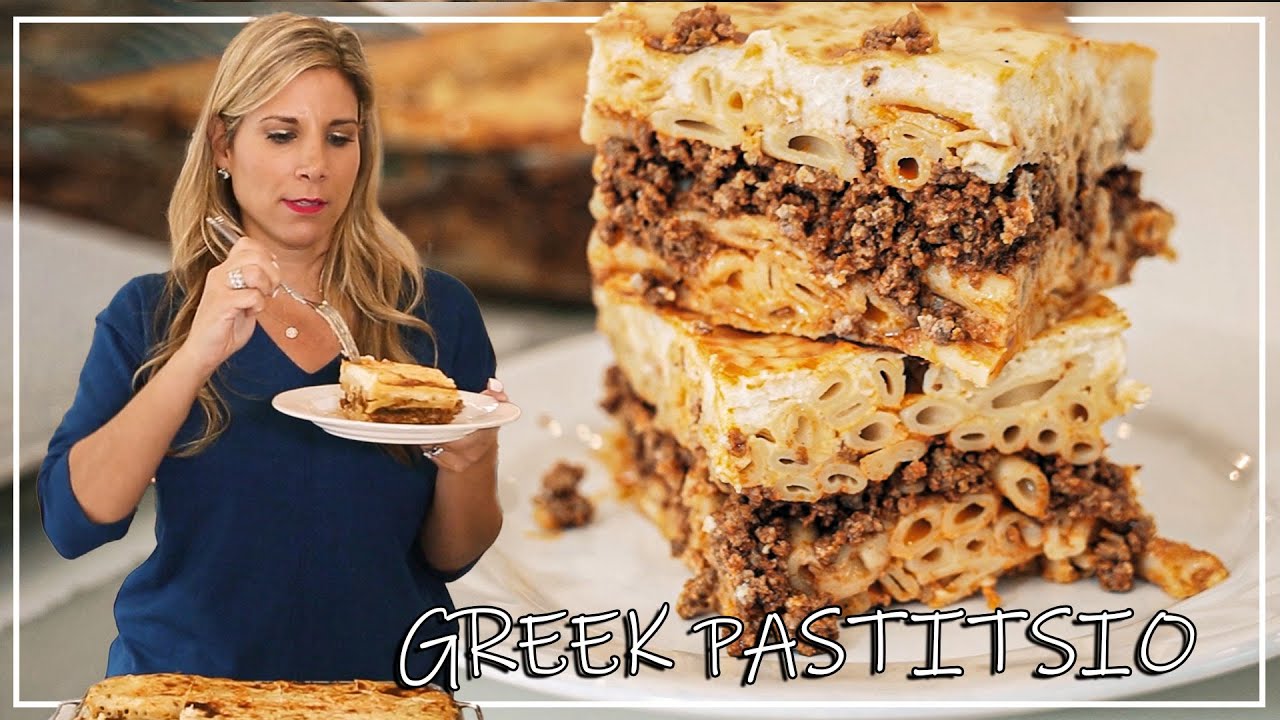
Master Homemade Pastitsio: Your Guide to Ultimate Greek Comfort
Pastitsio, a name that dances on the tongue with promises of warmth and flavor, stands as a true titan in the realm of Greek comfort food. Often described as a delightful culinary crossroads where the hearty layers of lasagna meet the spiced elegance of moussaka, this classic casserole is an experience for the senses. Derived from the Italian word
pasticcio, meaning "mix" or "hodgepodge," Pastitsio truly lives up to its name, bringing together a symphony of textures and tastes in one deeply satisfying dish. If you're searching for the ultimate
Authentic Pastitsio Recipe: Secret Spices & Creamy Béchamel Layers, you’ve come to the right place.
At its heart, Pastitsio is a meticulously constructed marvel, composed of three distinct yet harmoniously blended elements: a robust pasta base, a richly spiced ground meat sauce, and a luxurious, creamy béchamel topping. Each component is crafted separately with care before being assembled into magnificent layers in a casserole dish, ready for its golden transformation in the oven. While it may require a little extra effort, the reward—a slice of creamy, comforting, and incredibly flavorful Greek goodness—is absolutely worth every moment spent.
Deconstructing the Layers: The Heart of Your Pastitsio Recipe
Mastering this iconic dish means understanding and perfecting each of its foundational layers. Let's delve into what makes each element indispensable to a truly great homemade Pastitsio.
The Foundation: Perfecting the Pasta Layer
The base of any good Pastitsio is its pasta layer, and traditionally, this calls for a thick, tubular pasta known simply as "Pastitsio Pasta No. 2." This unique pasta, similar to bucatini but notably larger and thicker, is designed to provide robust support for the rich layers above. Its long, hollow strands stretch the length of the casserole dish, acting as pillars that cradle the meat sauce and béchamel.
However, finding authentic Pastitsio pasta outside of Greece can be a challenge. In its place, bucatini makes an excellent substitute, offering a similar long, hollow structure that helps maintain the casserole's integrity. If bucatini is unavailable, don't despair! Penne or ziti can also step in, though you'll lose some of the traditional aesthetic and structural support.
Regardless of your chosen pasta, one crucial tip remains:
slightly undercook it. Remember, your pasta will continue to cook and absorb flavors as the casserole bakes in the oven. Aim for a firm al dente, several minutes shy of its package instructions. This ensures your Pastitsio pasta remains perfectly textured, never mushy, offering that satisfying bite with every forkful. For an extra touch of richness and to help the pasta bind slightly, many home cooks stir in a whisked egg and a drizzle of olive oil before layering. This contributes to the overall stability and adds another layer of flavor.
The Soul: Crafting the Aromatic Meat Sauce (Ragú)
The heart of your Pastitsio is undoubtedly its meat sauce, a rich and aromatic ragú that sets this dish apart. While it shares similarities with a classic Italian red meat sauce, starting with a familiar base of finely chopped onions, garlic, and ground meat (typically beef, or a mix of beef and lamb for added depth), it takes a distinctive Greek turn. After browning the meat thoroughly and sautéing the aromatics, tomato paste and crushed tomatoes are added, allowing the mixture to simmer and develop a deep, rich flavor.
Here's where the Greek magic truly happens: the dominant spices. Unlike its Italian counterparts, Pastitsio's meat sauce is infused with the warm, exotic notes of
ground cinnamon and cloves. These spices are not mere afterthoughts; they are central to the Pastitsio experience, imparting an unmistakable aroma and a subtle sweetness that balances the savory meat. Don't be shy with them – they define the dish.
Another key characteristic of this sauce is its thickness. It’s considerably more robust than a typical Italian ragú, designed specifically to sit comfortably atop the pasta layer without soaking through and making the bottom soggy. This ensures each layer maintains its distinct identity, contributing to the overall textural harmony. For an even more complex flavor profile, consider adding a splash of dry red wine during the simmering process – it adds a wonderful depth.
The Crown: Mastering the Silky Béchamel
Crowning your Pastitsio is the luxurious béchamel, a velvety white sauce that transforms into a golden, custardy blanket during baking. At its core, a béchamel is simple: a roux (equal parts fat, usually butter, and flour) cooked with milk.
To make the perfect béchamel, start by melting butter in a saucepan over medium heat. Whisk in the flour to create a smooth roux, cooking it for a couple of minutes until it turns a pale straw color. It may foam and bubble slightly, indicating the moisture is cooking out – this is perfectly normal. Next, gradually whisk in warm or room temperature milk, a little at a time, ensuring a lump-free consistency. Gradually increase the temperature and continue whisking until the sauce thickens to a rich, velvety consistency that coats the back of a spoon.
For a traditional Pastitsio béchamel, you'll elevate this classic sauce even further. Stir in grated cheese, such as Kefalotyri or Parmesan, which adds a salty, savory kick. Freshly grated nutmeg offers a delicate, aromatic warmth that is characteristic of Greek béchamel. Finally, for an unparalleled richness and a beautifully golden, custardy finish, two egg yolks are whisked into the cooled béchamel just before assembly. This addition creates a sauce that is not only creamy but incredibly decadent and luxurious, ensuring a glorious top layer for your casserole.
Assembling Your Masterpiece: Tips for Success
Bringing these three magnificent layers together is where your Pastitsio truly takes shape. The assembly process is straightforward but benefits from a methodical approach. First, spread the seasoned, slightly undercooked pasta evenly across the bottom of a large casserole dish. Next, spoon the thick, aromatic meat sauce over the pasta, ensuring an even distribution. Finally, gently pour the rich, cheesy béchamel over the meat sauce, spreading it smoothly to create an even top layer.
Bake your Pastitsio in a preheated oven until the béchamel topping is beautifully golden brown and the edges are bubbling. The aroma filling your kitchen will be irresistible, but resist the urge to cut into it immediately! Allowing the casserole to rest for at least 15-20 minutes after baking is crucial. This resting period allows the layers to set properly, ensuring clean, elegant slices that hold their shape. For a deeper dive into the magic behind this layered delight, you might enjoy reading
Pastitsio Demystified: The Greek Casserole Like Lasagna Meets Moussaka.
Plan Ahead: Making Pastitsio Work for You
One of the great joys of homemade Pastitsio is its versatility when it comes to preparation. While it’s best enjoyed fresh from the oven, you can certainly streamline the process to fit a busy schedule.
Can I Make Pastitsio in Advance?
Absolutely, to a certain extent! The meat sauce is an excellent candidate for advance preparation. You can cook it up to a day ahead of time. Once it's ready, allow it to cool completely before transferring it to an airtight container and refrigerating. This allows the flavors to meld and deepen, making for an even more delicious final dish.
However, the pasta and béchamel layers are best prepared on the day of assembly. Because both layers incorporate raw eggs, it's not recommended to prep them too far in advance, as their texture and freshness can be compromised.
Once your Pastitsio is baked, it’s remarkably forgiving. The assembled and baked casserole will keep well in the refrigerator for up to 3 days, making it perfect for delicious leftovers. For longer storage, Pastitsio freezes beautifully. Let the entire casserole cool completely, then wrap it tightly in plastic wrap and aluminum foil before freezing for up to 1 month.
Our favorite tip for freezer-friendly Pastitsio? Cut and freeze individual portions! Once completely cooled, slice the casserole into individual servings, wrap each piece thoroughly, and freeze. These individual portions are incredibly convenient for thawing and reheating on busy weeknights, offering a gourmet comfort meal with minimal effort. Simply reheat them in the oven or microwave until warmed through.
Embrace the Comfort: Your Homemade Pastitsio Awaits
There’s an undeniable magic in creating something from scratch, especially a dish as rich in history and flavor as Pastitsio. From the careful crafting of the spiced meat ragú to the delicate whisking of the creamy béchamel, each step brings you closer to a truly exceptional meal. This
Pastitsio Demystified: The Greek Casserole Like Lasagna Meets Moussaka is more than just a recipe; it’s an invitation to savor the ultimate Greek comfort, a testament to the joy of homemade goodness. Gather your ingredients, prepare your layers, and get ready to impress your taste buds with a Pastitsio that will become a cherished staple in your kitchen.